


Long-term rental investing depends on predictable financial planning. Investors who intend to hold a property for many years may prefer a loan structure that provides stable payments over an extended period rather than short-term financing that requires frequent refinancing.
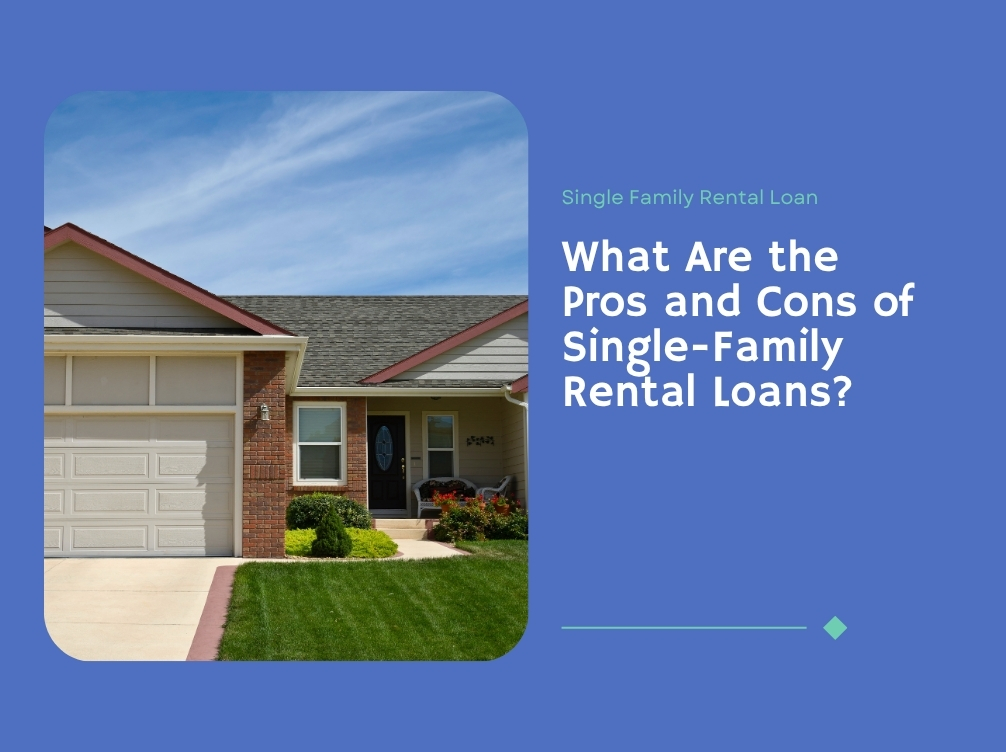
That is where single family rental loans with 30-year fixed terms can fit into a buy-and-hold strategy. A fixed-rate structure can make monthly payment planning more predictable, allowing landlords to evaluate rental income, operating expenses, and projected cash flow over a longer ownership period.
Investors should evaluate the property’s DSCR before choosing financing. The ratio measures the relationship between rental income and debt service. If a property generates $3,000 in monthly rent and its total monthly debt obligation is $2,400, the resulting DSCR is 1.25x. This gives the investor a clearer picture of how much rental income is available relative to the property’s debt.
A DSCR lender can structure qualification around the property’s income rather than requiring traditional employment-based documentation. InstaLend’s program requires no W-2s, tax returns, or employment history and states a minimum DSCR of 1.0x.
The program also permits LLC/entity closings and offers up to 80% LTV, subject to qualification. Eligible property types include single-family residences, condos, townhomes, and 1–4 unit properties.
For investors focused on long-term ownership, the financing decision should complement the broader investment plan. Stable debt, realistic rental projections, adequate reserves, and strong property fundamentals can help create a more sustainable rental strategy.