



Many real estate investors establish LLCs or other business entities to organize their rental portfolios. When purchasing another property, they may want the financing and ownership structure to align with that entity rather than relying solely on a personal mortgage. Understanding which lenders permit entity-based borrowing can therefore be an important part of the acquisition process.
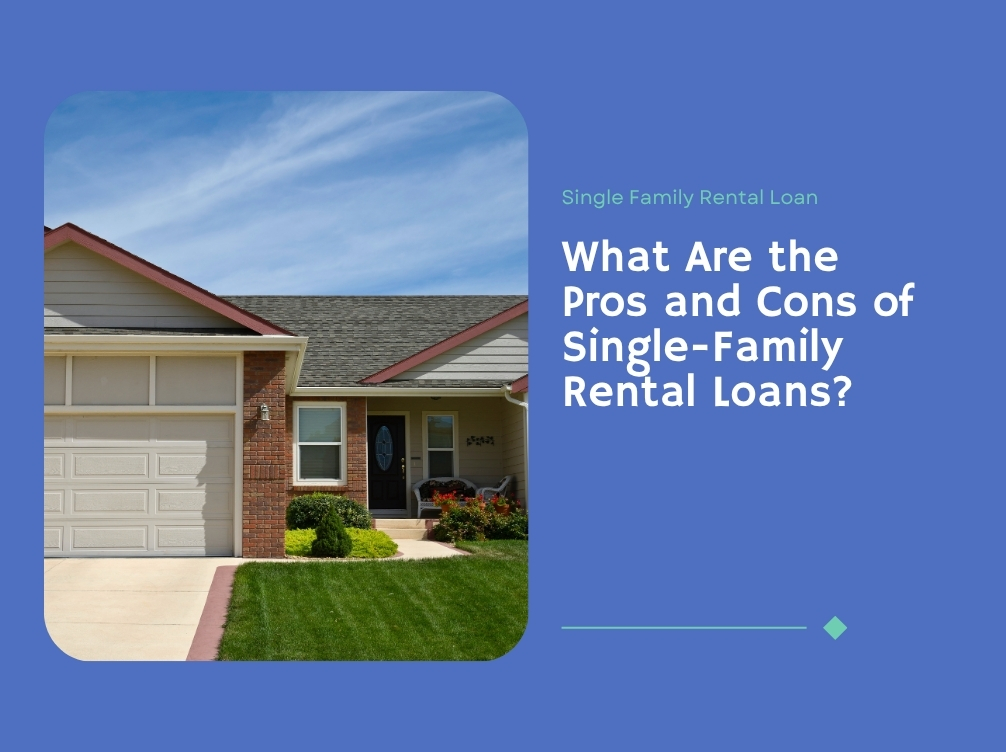
single family rental loans can be structured for investment properties such as single-family homes, condos, townhomes, and 1–4 unit properties. InstaLend allows qualifying investors to close SFR loans in an LLC or corporation. This can provide investors with greater flexibility when organizing their real estate holdings.
Working with a DSCR lender can be particularly relevant when the investor wants qualification to focus on the property’s rental income. Instead of requiring W-2s and tax returns, DSCR underwriting evaluates whether the property’s income can cover its debt obligations. This approach can suit business owners, self-employed investors, and landlords whose personal financial documentation may not present a straightforward picture.
Investors should still understand the legal and financial implications of purchasing property through an LLC. Entity structure, insurance, taxes, operating agreements, and asset protection should be discussed with qualified legal and tax professionals.
From a financing perspective, investors should review the lender’s LTV limits, minimum down payment, DSCR requirements, credit standards, loan term, prepayment provisions, and closing timeline. InstaLend’s stated SFR terms include up to 80% LTV, a minimum 20% down payment, 30-year fixed terms, no prepayment penalty, and LLC/entity closing.