


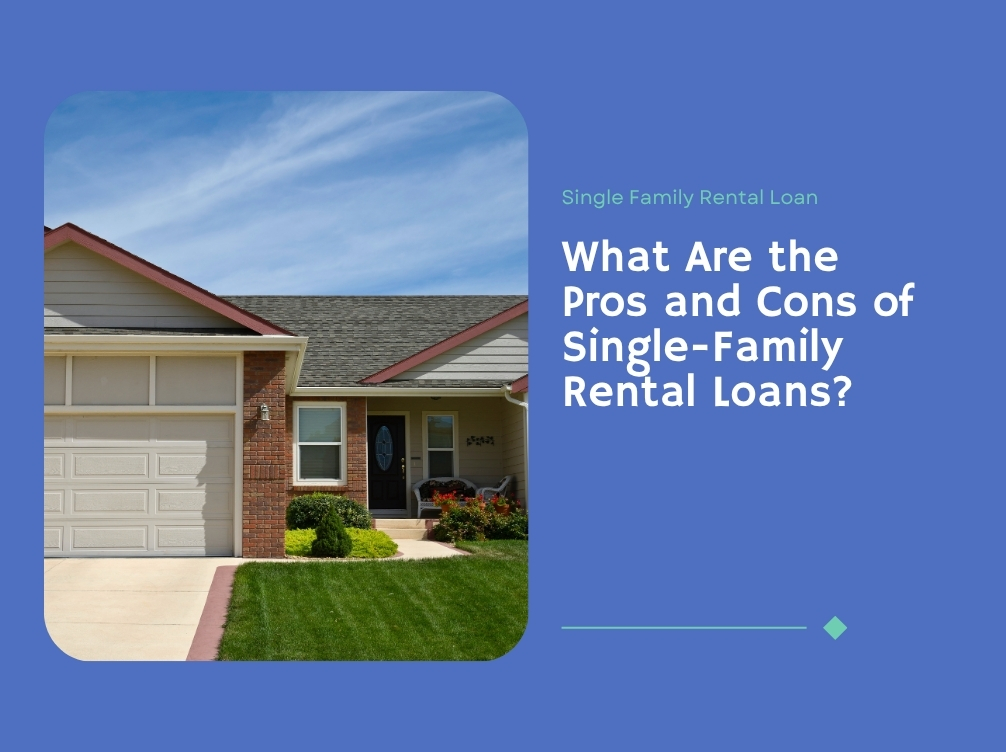
Buy-and-hold real estate investing requires a financing strategy that can support long-term ownership. Unlike house flipping, where the goal is generally to renovate and sell within a short period, rental investors may hold properties for many years. That makes predictable payments, sustainable cash flow, and an appropriate loan structure important considerations when comparing single family rental loans.
A 30-year fixed loan can give landlords a longer repayment horizon and predictable monthly principal and interest payments. This can make it easier to plan around rental income while building a long-term portfolio. Investors can also evaluate the property’s DSCR before purchasing. The ratio compares rental income with the property’s debt obligations and helps determine whether the property can support the proposed financing.
Choosing the right DSCR lender can also benefit investors who do not fit conventional borrower profiles. Self-employed professionals, business owners, out-of-state investors, and landlords with multiple properties may prefer an underwriting process that focuses on the rental property’s income rather than personal employment income. InstaLend’s SFR program does not require W-2s, tax returns, or employment history.
Investors should also consider leverage. InstaLend offers up to 80% LTV, with a minimum 20% down payment, subject to qualification. The loan program supports SFRs, condos, townhomes, and 1–4 unit properties. With financing available in 46 states and LLC/entity closing permitted, investors can structure purchases around their broader portfolio strategy.
For long-term investors, the objective isn’t simply obtaining a mortgage. It is finding financing that fits the property’s cash flow and the investor’s plan for holding the asset.